

If you are responsible for a commercial property, rental property or workplace, you have probably come across both EICR Reports and PAT testing. While they are often mentioned together, they are not the same thing.
When comparing EICR vs PAT testing, the simplest way to understand the difference is:
An EICR checks the fixed electrical installation within a building, while PAT testing checks portable electrical appliances.
Both play an important role in workplace electrical safety and compliance, but they focus on different parts of a property. Understanding where each applies can help landlords, employers and facilities managers make informed decisions about electrical safety and maintenance.
What Is an EICR?
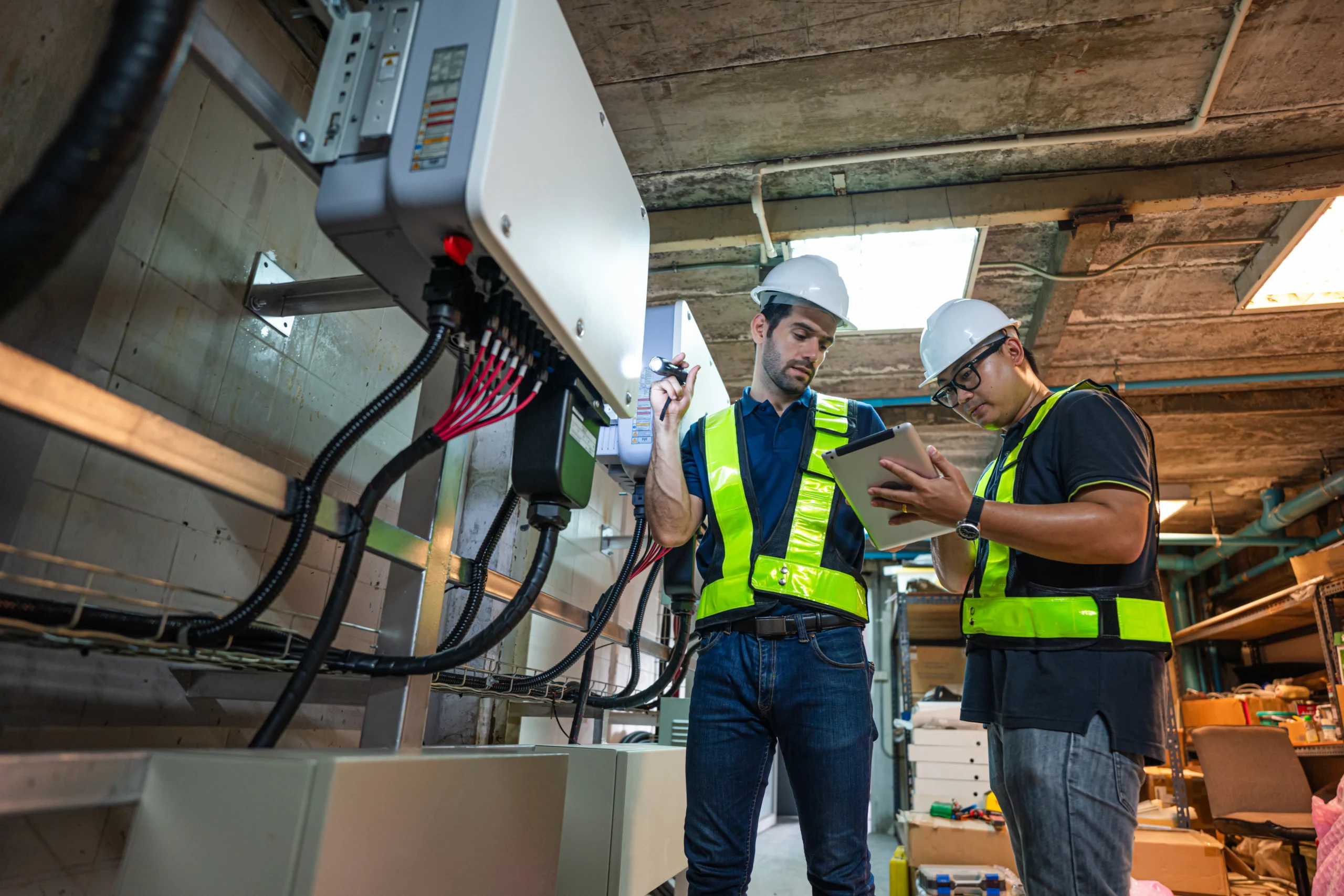
An Electrical Installation Condition Report, commonly known as an EICR, is an inspection of a building’s fixed electrical installation.
This includes electrical systems that are permanently connected to the property, such as:
- Consumer units and distribution boards
- Fixed wiring
- Sockets
- Lighting circuits
- Electrical connections throughout the building
The purpose of an EICR is to assess the condition of the electrical installation and identify any defects, deterioration or areas that may require attention.
Following the inspection, a report is produced outlining the findings and any recommendations. This helps property owners, landlords and businesses understand whether their electrical installation remains safe for continued use.
For commercial buildings, an EICR forms an important part of wider electrical compliance and maintenance planning.
What Is PAT Testing?
PAT testing stands for Portable Appliance Testing.
Rather than inspecting the building itself, PAT testing focuses on electrical appliances that are plugged into the electrical system.
Examples include:
- Computers and monitors
- Kettles
- Microwaves
- Extension leads
- Portable heaters
- Power tools
- Printers and office equipment
PAT testing involves a visual inspection alongside electrical testing to check whether appliances remain safe to use.
The purpose is to identify damaged equipment, faulty cables or defects that could present a risk to users.
In workplaces, PAT testing is often used as part of a wider health and safety strategy to help manage electrical risks associated with portable equipment.

Key Differences Between EICR and PAT Testing
The difference between EICR and PAT testing becomes much clearer when viewed side by side.
| EICR | PAT Testing |
|---|---|
| Checks fixed electrical installations | Checks portable electrical appliances |
| Covers wiring, sockets and electrical circuits | Covers equipment that plugs into sockets |
| Produces an Electrical Installation Condition Report | Produces appliance testing records |
| Focuses on the safety of the building’s electrical infrastructure | Focuses on the safety of individual appliances |
| Often carried out less frequently | Frequency depends on equipment type and use |
Although both inspections relate to electrical safety, they assess different risks and should not be viewed as interchangeable.
Who Needs an EICR?
EICRs are commonly required across a range of property types and sectors.
This can include:
- Commercial premises
- Offices
- Retail units
- Industrial facilities
- Rental properties
- Educational buildings
- Healthcare environments
For landlords and businesses, regular fixed wiring inspections help demonstrate that electrical systems are being maintained appropriately.
An EICR also provides valuable information when planning maintenance, refurbishment works or compliance reviews.
Who Needs PAT Testing?
PAT testing is relevant wherever portable electrical appliances are used.
This applies to many workplaces, including:
- Offices
- Schools
- Healthcare settings
- Warehouses
- Retail premises
- Construction environments
The more frequently equipment is used, moved or handled, the more important regular inspection becomes.
PAT testing helps identify faults that may not be obvious during day-to-day use and supports safer working environments for staff and visitors.
Do You Need Both?
In many cases, yes.
One of the most common misconceptions when discussing EICR or PAT test requirements is the belief that one replaces the other.
An EICR does not include portable appliance testing.
Likewise, PAT testing does not assess the condition of a building’s fixed electrical installation.
A building could pass an EICR while still containing faulty portable appliances. Equally, every appliance could pass PAT testing while issues remain within the fixed wiring.
Because they cover different areas, many businesses and property owners choose to carry out both inspections as part of their overall compliance strategy.
Key point: An EICR and PAT testing cannot replace one another. One checks the building’s electrical installation, while the other checks the portable appliances used within it.
How Often Should Testing Be Carried Out?
There is no single answer that applies to every property or business.
EICR frequency depends on the type of premises, how the building is used and the condition of the installation.
PAT testing intervals can also vary depending on the type of appliance, the environment it is used in, the level of risk, manufacturer guidance and previous inspection results.
Rather than applying the same schedule to every property, testing frequencies should be based on risk and the specific circumstances of the building or workplace.
A qualified electrical professional can help determine appropriate inspection intervals for your environment.
Why Electrical Compliance Matters
Electrical systems are often taken for granted until something goes wrong.
Regular inspections help identify issues before they develop into larger problems, supporting safer buildings and reducing the likelihood of unexpected disruption.
For facilities managers, landlords and business owners, inspections such as EICRs and PAT testing provide a clearer understanding of the condition of electrical systems and equipment.
When combined with ongoing maintenance and professional support, they form an important part of a wider compliance programme.

How Glosscalm Can Help
At Glosscalm, we provide both EICR reports and PAT testing services for commercial properties, public sector organisations and workplaces across the East Midlands.
Alongside our wider Electrical Services and Fire Risk Assessments, we help clients maintain safe, compliant and well-managed buildings.
Responsible for several sites? Glosscalm can support single properties and larger portfolios with electrical inspections, testing and ongoing compliance services.
EICR vs PAT Testing FAQs
What is the difference between EICR and PAT testing?
An EICR checks the fixed electrical installation within a building, while PAT testing checks portable electrical appliances that are plugged into the electrical system.
Do landlords need both EICR and PAT testing?
Many landlords choose to arrange both because they cover different aspects of electrical safety. An EICR assesses the property’s wiring, while PAT testing focuses on portable appliances supplied within the property.
Is PAT testing included in an EICR?
No. PAT testing and EICRs are separate inspections covering different electrical systems and equipment.
Can a PAT test replace an EICR?
No. PAT testing only assesses portable appliances and does not inspect the fixed wiring or electrical installation within a building.
How often should PAT testing be carried out?
The appropriate interval depends on the type of equipment, how often it is used and the environment it operates in.
How often does a business need an EICR?
Inspection frequency varies depending on the building, its use and the condition of the electrical installation.
What appliances need PAT testing?
Any portable appliance connected to the electrical system may require inspection, including office equipment, kitchen appliances, extension leads and power tools.
Need Help With EICRs or PAT Testing?
Glosscalm provides EICR reports, PAT testing and electrical compliance services for businesses, landlords and property managers across the East Midlands.
Call us on 0330 055 3192 or email enquiries@glosscalm.com.